
Social Media Marketing Strategy for Business.
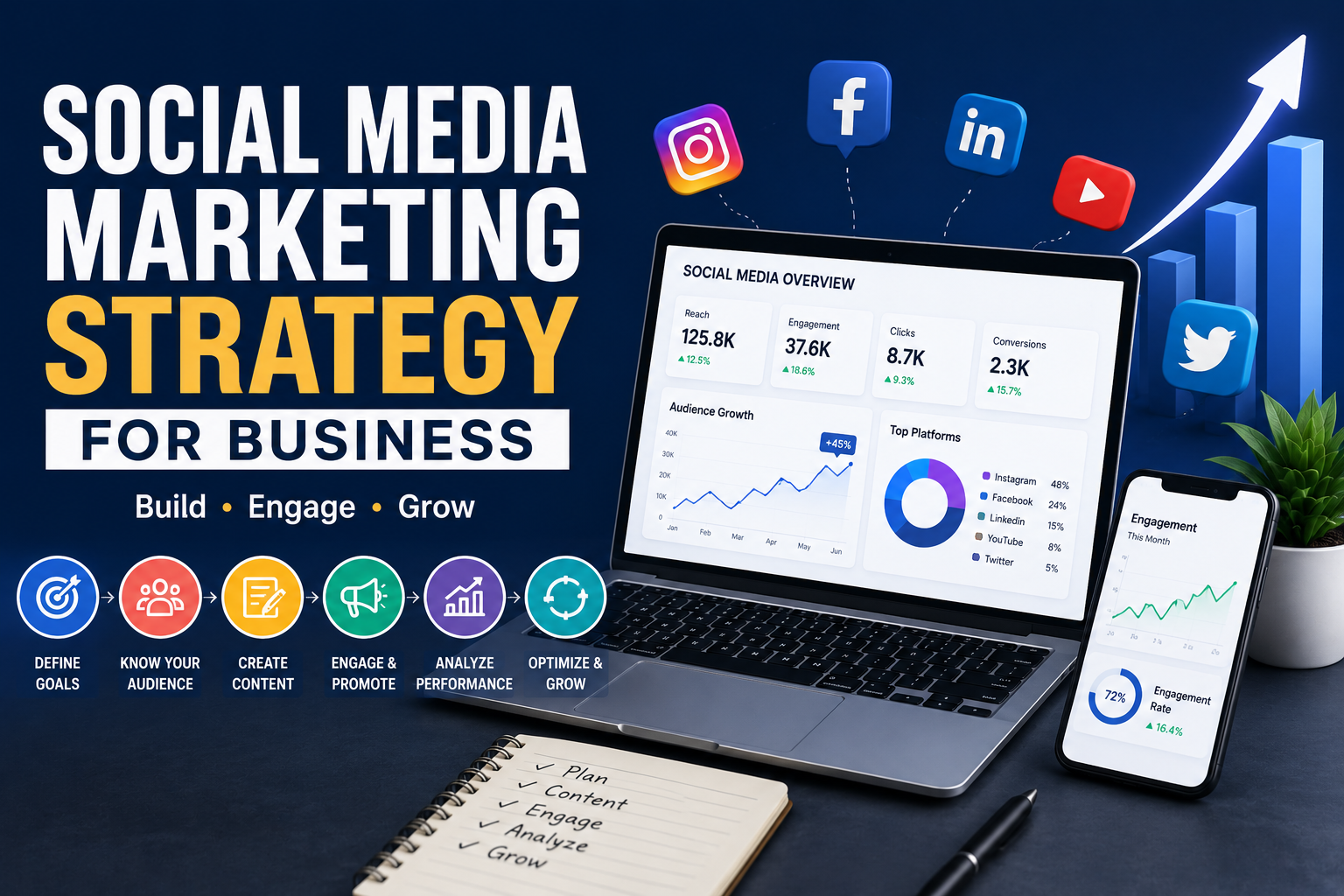
Social media has evolved far beyond likes and followers. Today, it is one of the most powerful channels for building brand awareness, generating leads, nurturing customer relationships, and driving revenue. Businesses that succeed on social media are not necessarily posting more content. They are following a well-planned best digital marketing agency.
A structured strategy helps businesses align content, branding, engagement, and advertising efforts with clear business goals. Without a strategy, social media activity often becomes inconsistent and delivers limited results.
What Is a Social Media Marketing Strategy?
A social media marketing strategy is a comprehensive plan that outlines how a business will use social platforms to achieve its marketing objectives. It includes audience research, content planning, visual branding, engagement tactics, performance tracking, and optimization.
Instead of posting randomly, businesses create content with a purpose and measure results against predefined goals. A well-planned Best Digital marketing agency can defined your business Goals
Strategy vs Random Posting
| Random Posting | Strategic Social Media Marketing |
|---|---|
| No content plan | Structured content calendar |
| Inconsistent branding | Consistent visual identity |
| Focus on likes | Focus on business goals |
| Irregular posting | Scheduled publishing |
| No performance tracking | Data-driven decisions |
| Limited growth | Sustainable growth |
Why Businesses Need a Social Media Marketing Strategy
Modern consumers discover brands, research products, and make purchase decisions through social media. A strong strategy helps businesses stay visible throughout this journey.
Key Benefits
- Increased brand awareness
- Higher audience engagement
- More website traffic
- Better lead generation
- Improved customer trust
- Stronger brand positioning
Businesses that invest in strategy often outperform competitors who rely solely on promotional content.
The 5-Step Social Media Marketing Framework
1. Define Business Goals
Every strategy should start with clear objectives.
Common goals include:
- Brand awareness
- Lead generation
- Website traffic
- Customer engagement
- Sales growth
When goals are defined, content becomes more focused and measurable.
2. Understand Your Audience
Successful brands know exactly who they are speaking to.
Analyze:
- Demographics
- Interests
- Online behavior
- Preferred platforms
- Content consumption habits
Understanding your audience helps create content that resonates and drives action.
3. Create High-Quality Visual Content
Visual content is often the first thing users notice.
Professional Graphic Design Services help businesses create:
- Social media creatives
- Carousel posts
- Infographics
- Promotional banners
- Brand-focused visuals
Strong visual branding improves recognition and increases engagement across platforms.
Content Types That Deliver Results
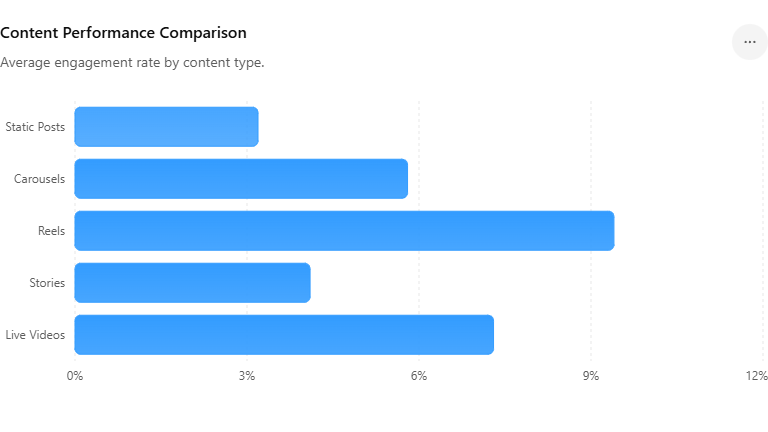
Not all content performs equally. The most effective strategies combine multiple formats.
Content Performance Comparison
| Content Type | Engagement Potential | Shareability |
|---|---|---|
| Static Posts | Medium | Medium |
| Carousels | High | High |
| Reels & Short Videos | Very High | Very High |
| Infographics | High | High |
| Stories | Medium | Medium |
| Live Sessions | High | Medium |
4. Prioritize Video Marketing
Video content continues to dominate social media platforms.
Businesses should use:
- Reels
- Product demonstrations
- Behind-the-scenes content
- Customer testimonials
- Educational videos
A professional Video Editing Service ensures videos are optimized for engagement, retention, and platform-specific performance.
Well-edited videos help businesses communicate messages more effectively and improve audience retention.
Build a Content Marketing Engine
Publishing content consistently is essential for long-term growth.
A successful content mix includes:
40% Educational Content
Industry insights, tips, and tutorials.
30% Brand Building Content
Company culture, success stories, and achievements.
20% Engagement Content
Polls, questions, contests, and discussions.
10% Promotional Content
Products, offers, and sales campaigns.
This balance keeps audiences engaged while maintaining promotional effectiveness.
Businesses often combine social media with professional Content Marketing Services to create valuable content that attracts and nurtures potential customers.
Measure and Optimize Performance
A strategy is only effective when performance is monitored regularly.
Track metrics such as:
- Reach
- Impressions
- Engagement Rate
- Website Clicks
- Lead Generation
- Conversion Rate
- Follower Growth
Monthly Optimization Checklist
✓ Review top-performing posts
✓ Analyze audience behavior
✓ Update content strategy
✓ Test new formats
✓ Improve posting times
✓ Optimize ad campaigns
Regular optimization ensures continuous improvement and better returns on marketing investment.
Conclusion
A successful social media marketing strategy combines audience research, compelling visuals, video content, consistent publishing, and performance analysis. Businesses that approach social media strategically create stronger brand awareness, better engagement, and sustainable growth.
By integrating professional Graphic Design Services, Video Editing Service, and Content Marketing Services, businesses can build a social media presence that not only attracts attention but also delivers measurable business results.
Related Posts

1 Reel Editing Price in India: A Pricing Guide
Short-form videos have become one of the most effective ways for businesses to connect with…
Wedding & Corporate Video Editing Services Pricing.
Video content is everywhere today. From Instagram Reels and YouTube videos to wedding films and…
Video Marketing on a Budget: A Complete Guide for Small Businesses.
Video marketing is no longer reserved for large brands with massive budgets. Today, businesses of…
Leave a Reply